
Sustainably Beautiful Interiors: Woods, Textiles, and Low‑VOC Finishes
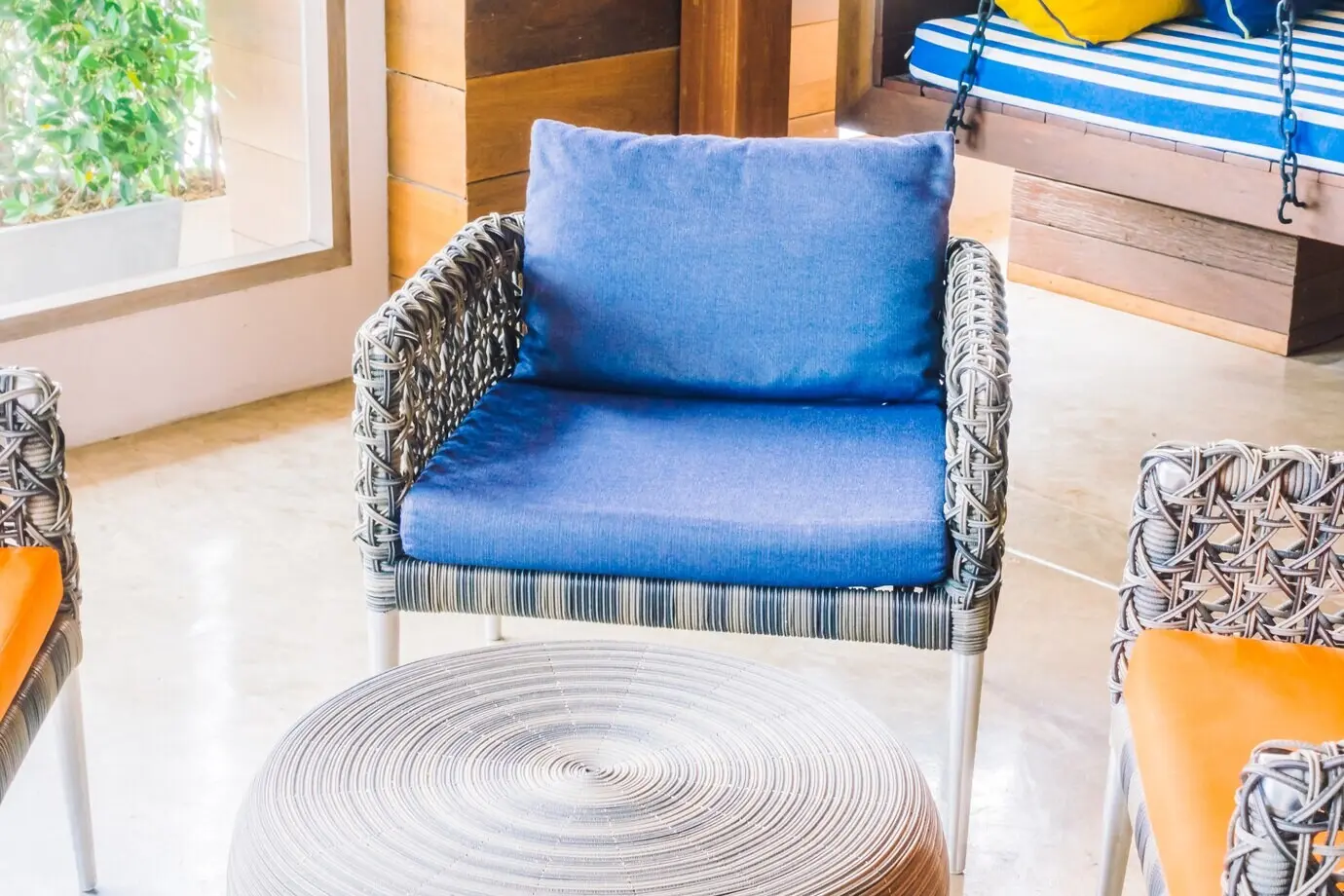
Step into a healthier, more enduring home by learning how to choose materials that respect both people and planet. Today we explore selecting sustainable materials for interiors—woods, textiles, and low‑VOC finishes—so you can combine beauty, durability, and healthier air. Expect practical checklists, honest labels to trust, and small stories from real spaces that traded toxins for calm. Bring questions, share experiences, and imagine rooms that age gracefully without compromising comfort or style.

Start With the Whole Lifecycle

Great interiors begin long before installation. Consider extraction impacts, manufacturing energy, transport miles, certifications, and what happens at end‑of‑life. Balance embodied carbon, indoor emissions, and durability with tactile pleasure and timeless design. We will cut through jargon, flag common greenwashing traps, and equip you to ask suppliers the right questions—so every plank, fabric, and finish supports wellbeing today and responsibility tomorrow.

Certifications That Truly Guide You

Not all labels are equal. Prioritize independent standards like FSC or PEFC for wood, GOTS or OEKO‑TEX for textiles, and GREENGUARD Gold, Green Seal, or EU Ecolabel for finishes. Look for Declare or Cradle to Cradle transparency when possible. Beware vague claims like eco‑friendly or natural without data. Ask for certificates, batch numbers, and testing dates to verify credibility beyond marketing.

Seeing Carbon, Not Just Color

Beauty is important, yet embodied carbon quietly shapes a project’s footprint. Compare Environmental Product Declarations, scrutinize recycled content, and weigh service life against replacements. A durable product with slightly higher impacts can outperform disposable alternatives. Favor local sourcing when practical to reduce transport emissions. Record choices in a simple spreadsheet, so future upgrades build on transparent, measurable progress rather than guesswork or trends.

Demand Real Supply‑Chain Transparency

Ask vendors for Safety Data Sheets, chain‑of‑custody documentation, and details on adhesives, resins, and dyes. Request factory audits, wastewater treatment summaries, and worker welfare policies when available. Honest suppliers welcome these questions. Keep correspondence in one folder and share summaries with your contractor. This fosters aligned decisions, prevents costly substitutions, and turns each purchase into a confident step toward healthier, more ethical interiors.

Responsible Woods That Age Gracefully

From floorboards to millwork, wood frames daily rituals. Choose responsibly harvested species, reclaimed boards with history, or engineered products using ultra‑low‑emitting binders. Match hardness to use, confirm moisture content, and plan protective finishes that won’t compromise indoor air. Thoughtful selection celebrates grain, supports forests, and delivers surfaces that can be refinished, repaired, and admired for decades without exhausting natural resources.

Comfort You Can Breathe: Sustainable Textiles

Upholstery, drapery, and rugs touch skin and shape acoustics. Choose fibers grown with respect for soil and animals, or engineered with responsible chemistry. Evaluate durability, cleanability, and tactile comfort alongside certifications. Prefer natural flame‑resistance inherent to wool over chemical additives, and specify mothproofing without harmful pesticides. Thoughtful textiles invite lounging, reduce shedding, and keep indoor air calm enough for deep, restorative rest.

Color, Protection, and Purity: Low‑VOC Finishes

Built to Last: Design Decisions That Reduce Waste

Sustainability thrives when rooms age elegantly. Favor timeless forms, durable joinery, replaceable parts, and surfaces designed for refinishing. Plan storage for maintenance kits, and document finishes for future repairs. Consider modular rugs, slipcovers, and click‑lock floors that move with you. Fewer replacements mean lower environmental impact, steadier budgets, and spaces that collect stories rather than landfill receipts over the years.

Palettes and Patterns That Endure

Choose hues that flatter changing daylight and evolving furniture, pairing quiet neutrals with a few confident accents. Seek textures that hide minor scuffs without feeling dull. Prioritize reversible cushions, double‑sided throws, and rug pads that prevent premature wear. When updates call, refresh with covers or accents instead of full replacements, protecting both your budget and the planet’s finite resources.

Plan for Disassembly and Easy Moves

Favor mechanical fasteners over permanent glues, label panels discreetly, and choose cabinet systems with standard hardware you can source for decades. Keep spec sheets in a shared folder for future residents. Modular wardrobes, click floors, and sectional sofas reconfigure gracefully, avoiding demolition. Designing with tomorrow’s needs in mind reduces waste while giving your home the agility modern life often demands.

Real Rooms, Real Results

Stories prove what specs promise. Explore examples where careful choices created quieter rooms, steadier budgets, and air that simply feels better to breathe. Notice how families phased upgrades to avoid waste, choosing verified finishes and honest fibers. Let these snapshots spark questions, comments, and your own plans. Share photos, subscribe for updates, and help others learn from your wins and missteps.
Lipezarirokirenivimora
Privacy Overview

This website uses cookies so that we can provide you with the best user experience possible. Cookie information is stored in your browser and performs functions such as recognising you when you return to our website and helping our team to understand which sections of the website you find most interesting and useful.